From Herbarium to Habit: Choosing Between Specimen Collecting and Phenology Practice
The habit of paying attention to plants has taken many forms. For centuries naturalists pressed and labeled specimens in cabinets and herbaria to document species diversity and aid identification. In more recent practice, gardeners and naturalists have developed another approach: repeated, time-based observation of the same places and plants to register seasonal patterns—what ecologists call phenology. Each approach trains attention in a different direction. Below I sketch the historical roots of both and compare their methods, then suggest how to choose between them or combine them in a small, sustainable practice.
A brief history: cabinets and calendars
From the 17th through the 19th centuries, European and North American naturalists built vast collections of pressed plants. A pressed specimen isolates points of structure—leaf shape, flower parts, fruit—that make identification and comparison easier. Herbaria became shared records of distribution and form, a physical archive you could consult to name and classify a plant. That specimen-centered habit shaped how generations learned to see plants: as objects to be described and catalogued.
At the same time, observers of seasons kept calendars and journals. Naturalists and farmers recorded flowering dates, first frost, bird arrivals—practical notes for agriculture and travel. Those temporal records emphasized change, rhythm, and variation across years rather than the anatomy of a single plant. The two traditions developed in parallel: one built static reference collections, the other accumulated temporal narratives.
The Specimen-Collecting Approach
What it trains you to notice: diagnostic details—leaf margins, venation, flower parts, seed structure—and the vocabulary needed to name a plant. Method and tools are straightforward and tactile.
- Collect thoughtfully. Choose common plants or fallen material when possible. Avoid collecting rare or protected species.
- Prepare a voucher. Press leaves, flowers, and fruit between blotting paper or newspaper with weight. Dry and label with date, place, habitat notes, and collector name.
- Record context. A simple label—location, GPS or map reference, substrate, associates—turns a specimen into a useful record.
- Store and review. Keep specimens flat and dry. Periodically revisit old specimens to compare and learn.
What you gain: sharper identification skills, a tangible archive, and the satisfaction of building a reference. Limits: it privileges structure over time, requires some space and materials, and raises ethical issues if done indiscriminately.
The Phenology Practice
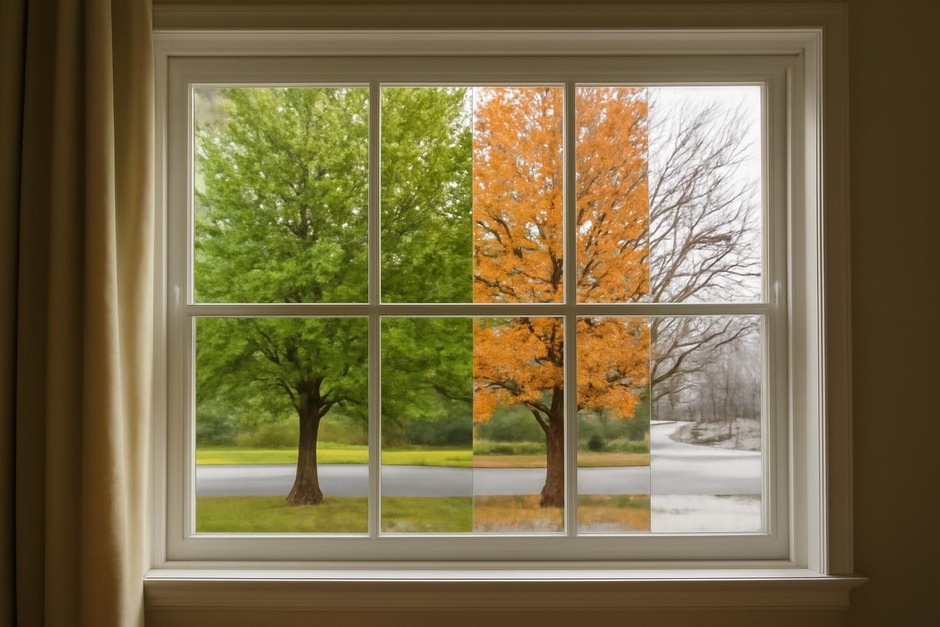
What it trains you to notice: timing and sequence—when leaves unfold, flowers open, seeds disperse—and how those events vary with weather or microclimate. It is a discipline of repetition more than capture.
- Choose a set of observation points. A garden bed, a street tree, a patch of meadow—select a manageable number of plants or plots.
- Set a cadence. Weekly or biweekly visits through the growing season are enough to register patterns. Note dates, stage (bud, bloom, fruit), and brief weather cues.
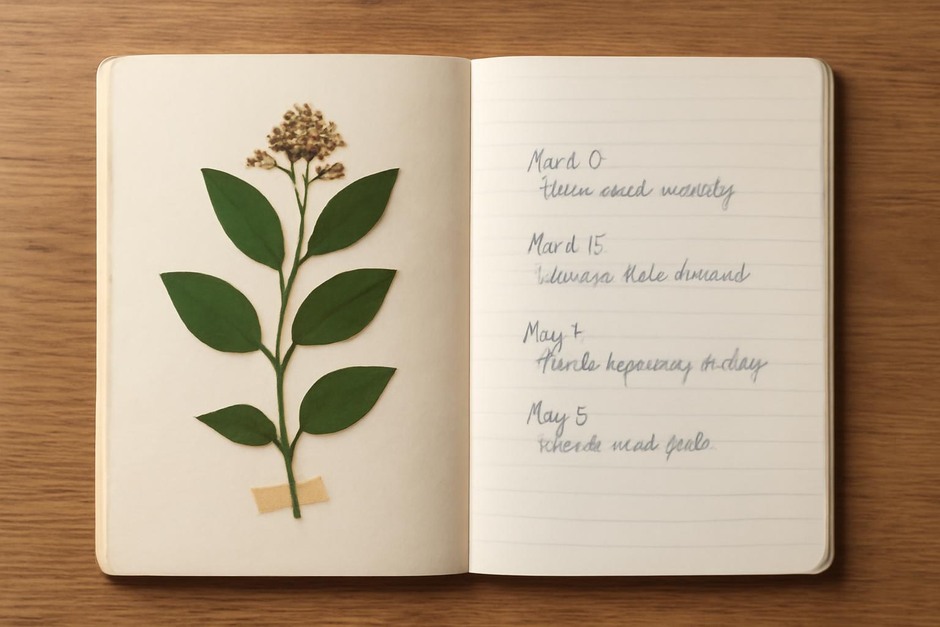
- Use simple records. A small notebook and a dated photo or two make entries lasting. Over years these notes reveal trends.
- Reflect seasonally. At the end of the year, compile short summaries: first bloom, peak bloom, last leaf.
What you gain: an embodied sense of seasonal rhythm and how plants respond to climate and place. Limits: less emphasis on minute morphology, and long-term value increases only with repeat visits.
How to choose—or combine them
Ask what you want to learn and how you like to spend attention.
- If your goal is identification and building a reference: lean toward specimen preparation. The act of pressing and labeling forces close, technical looking that accelerates learning names and form.
- If your goal is seasonal awareness and noticing change: choose phenology practice. Regular visits teach the tempo of a place and make you sensitive to small shifts from year to year.
- If your interest is ethical and local stewardship: prioritize observation and use specimen collecting sparingly—voucher a plant only when necessary for identification, or use fallen material rather than removing living tissue.
- If you have limited time: a hybrid is the most efficient. Keep a simple phenology habit (five minutes weekly) and prepare one specimen per season from that set of plants to anchor identification.
Practical combinations work well. For example, photograph a flower on the first day of bloom, make a short notebook entry, and later press a single representative specimen to confirm the name. Over three seasons you will assemble both a temporal story and a small, curated reference.
Both approaches deepen the same skill: the ability to see carefully. A herbarium trains you to see what a plant is; phenology trains you to see what it does. Choosing between them—or deliberately balancing the two—turns observation into a practiced habit that rewards patience and quiet curiosity. Start small, keep the ethics of place in mind, and let the work of noticing become a steady part of your days.