A Three-Step Cold Brew Starter: A Calm Checklist for Consistent Results
Three simple steps
The goal here is consistency: one routine you can repeat, notice, and then nudge. This three-step starter uses a coarse grind, cold water, and a measured steep. Use a jar or pitcher, a coarse grinder setting, and a way to strain (fine sieve, paper filter, or cloth). Read through the whole routine once, then follow it as a calm checklist.
-
Measure: coffee and water.
Use a ratio of 1:8 by weight for ready-to-drink cold brew (1 part coffee to 8 parts water). For a 1-liter batch: 125 g coffee to 1,000 g water. If you don’t have scales, use about 1 cup coarsely ground coffee to 4 cups water as a rough guideline.
-
Combine and steep.
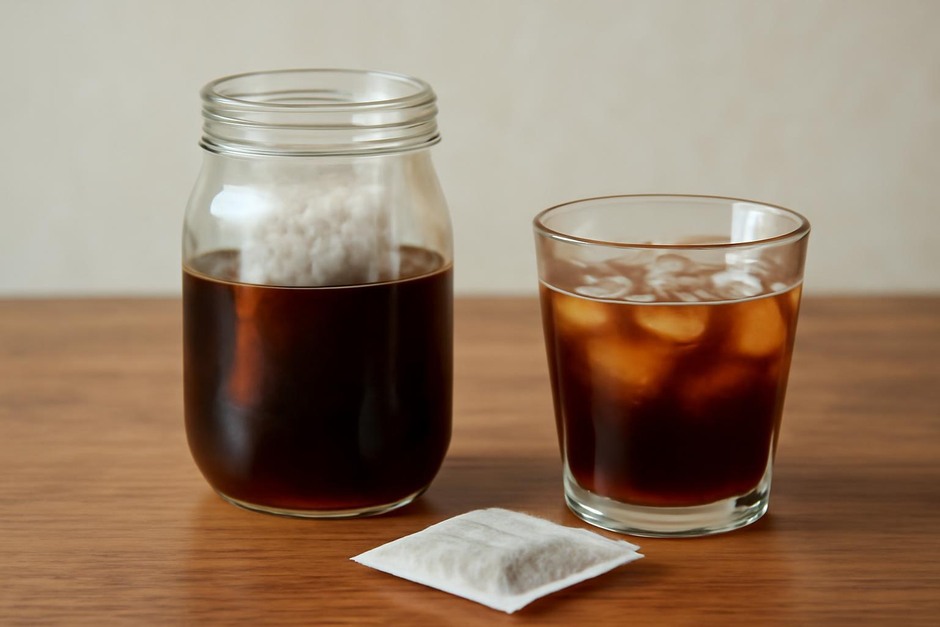
Place the coarse grounds in your jar or pitcher. Add cold water, pouring slowly to saturate all the grounds. Briefly stir to make sure everything is wet, then cover. Steep at room temperature or in the fridge for 14–18 hours. Shorter time (12 hours) yields lighter extraction; longer (up to 20 hours) increases strength but may bring more bitter notes.
-
Filter and store.
Strain through a fine sieve and one layer of cheesecloth, or pour through a paper filter. Alternatively, press through a French press and decant. Store in the fridge in a sealed container; use within 5–7 days for best flavor. If you made a concentrate (see variations), remember to dilute before drinking.
Useful small corrections while you brew
- Too bitter? Shorten steep time by 1–2 hours or coarsen the grind slightly. Finer grinds extract more quickly and can push bitterness.
- Too weak or watery? Use a stronger ratio: 1:6 for ready-to-drink, or keep 1:8 but steep longer. Check your grind: too coarse can under-extract.
- Sour or acidic? Increase steep time slightly (if under-extracted) or use a slightly finer grind. Also check water temperature—extreme cold slows extraction, so if you’re brewing in a very cold fridge, move to room temperature steeping.
- Cloudy appearance? This is normal with coarser methods. Run the brew through a paper filter to clarify. Cloudiness affects appearance more than taste.
Variations
Once you know the baseline, try these deliberate adjustments as experiments. Keep notes—small changes yield noticeable differences.
-
Cold-brew concentrate (strong, versatile).
Use a 1:4 or 1:5 ratio (coffee:water) and steep 16–18 hours. Store concentrate in the fridge and dilute 1:1 to 1:2 with water or milk when serving. Concentrate saves space in the fridge and lasts a little longer; it’s handy for iced lattes and cocktails (non-alcoholic mixes included).
-
Quick-ish cold brew (for impatient mornings).
Use room-temperature water and a medium-coarse grind. Stir briskly after 6–8 hours and taste; you may have an acceptable cup at 8–10 hours. This is a compromise—not quite true cold extraction, but often useful.
-
Bright or flavored notes.
Choose a lighter-roast coffee and a slightly shorter steep (12–14 hours) to preserve brightness. To add gentle aromatics, steep with a thin strip of citrus zest (no pith) or a few crushed cardamom pods—add them for the final 12 hours only.
-
French-press method.
Combine grounds and water in the press; steep 14–16 hours. Press gently, then decant through a paper filter to reduce sediment if desired.
Troubleshooting checklist — common mistakes and calm corrections
-
Grind is too fine.
Symptoms: bitter, harsh flavors; slow or gluggy filtration. Correction: regrind coarser and shorten steep by an hour or two. Buy coarser pre-ground for cold brew if you lack a grinder with consistent settings.
-
Steeped too long.
Symptoms: heavy bitterness, ashy notes. Correction: next time shorten steep by 2–4 hours. If you notice this during a batch, dilute more when serving and chill—cold suppresses bitterness.
-
Inconsistent ratios.
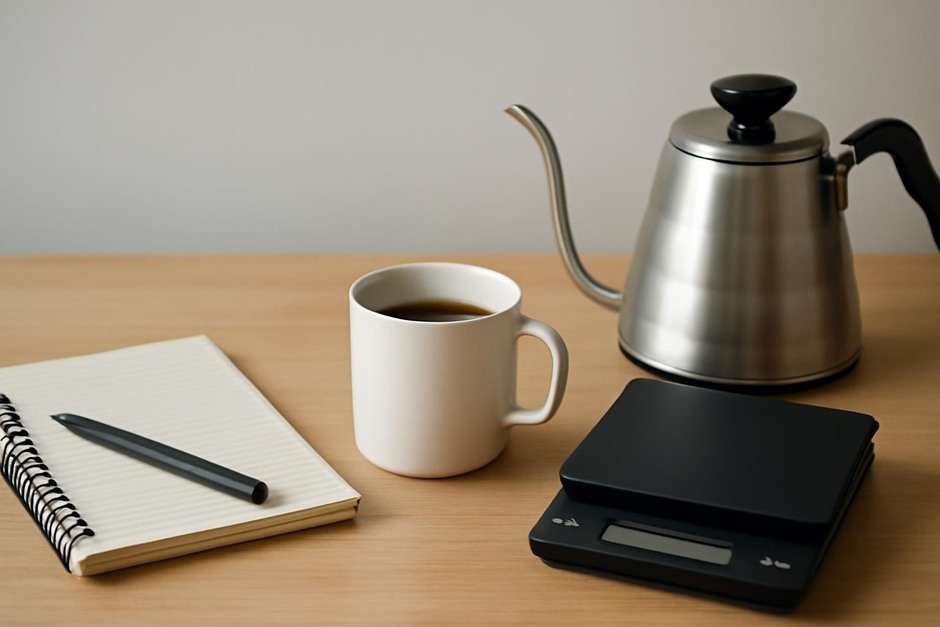
Symptoms: batch-to-batch variability. Correction: use a scale or consistent measuring cups and write the ratio down. Treat the ratio as the baseline experiment.
-
Off odors or mold.
Symptoms: sour fermented smells or visible growth. Correction: discard immediately. Clean containers thoroughly and dry between uses. Cold brew can last up to a week; if you keep it longer, check smell and taste first.
-
Too much sediment.
Symptoms: gritty mouthfeel. Correction: use coarser grind, decant slowly, and filter through paper before serving. A secondary filtration improves clarity.
Cold brew rewards gentle attention: pick one variable to change at a time (ratio, grind, or steep time), and keep a small notebook. The calm habit of measuring and noting what you notice will lead to reliably good coffee without stress.