Wandering vs Mapping: Two Simple Ways to Scout a Neighborhood for Better Photos
Scouting a neighborhood is less about finding an instant masterpiece and more about learning to notice the small things that make a place sing. Two straightforward approaches will teach slightly different skills: wandering—an open, observational walk—and mapping—a deliberate route you use to test ideas. Both are useful for beginners. Below I compare them, then offer a short routine for each and guidance on which to choose depending on what you want to learn.
Approach 1: Wandering (Open Observation)
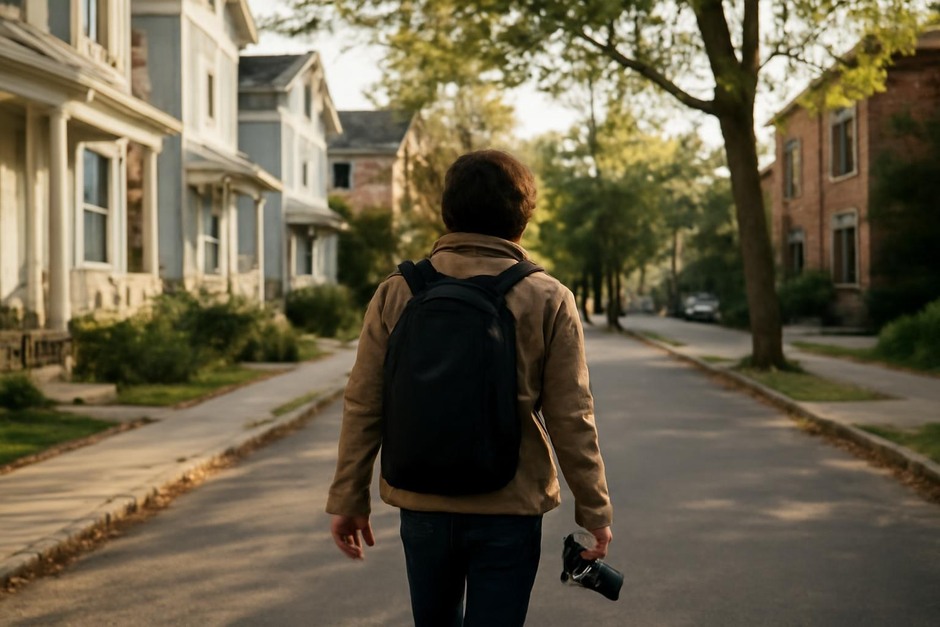
Wandering is exactly what it sounds like: you leave your plan at home and allow the neighborhood to unfold. The point is to notice, serendipitously, what draws your attention. Wandering trains perceptual habits—finding patterns, catching light, spotting small details—that you can later turn into considered photographs.
What wandering teaches
- Visual curiosity: You learn to scan without expectations and reward surprising details.
- Improvisation: You practice framing and reacting quickly to changing scenes.
- Context sensitivity: You begin to notice how weather, pedestrian rhythms, and storefronts shape a place.
Simple wandering routine (15–25 minutes)
- Set a timer for 15 minutes. Bring only a small camera or your phone—nothing heavy.
- Walk without a route. Slow down your pace and look at three planes: foreground (textures, trash, plants), midground (people, doors, signs), and background (sky, building silhouettes).
- When something stops you, spend 30–60 seconds composing a single frame. Make one deliberate choice: change angle, move closer, or wait for a person to enter the frame.
- After the timer, jot two quick notes: one visual thing that surprised you, one repeatable idea to try next time.
Approach 2: Mapping (Deliberate Route Work)
Mapping is about structure: you choose a short route or a few key spots and revisit them with intention. The goal is to test lighting, framing, and timing so you can refine a specific photographic idea. Mapping turns intuition into repeatable decisions.
What mapping teaches
- Consistency: You learn how a place looks under certain conditions and what works reliably.
- Problem-solving: Repetition reveals small adjustments—lens choice, aperture, angle—that improve results.
- Timing and patience: Returning lets you observe rhythms and pick the right moment for a shot.
Simple mapping routine (15–25 minutes)
- Pick three spots within a five-minute walk of each other: a doorway, a street corner, and a small park bench.
- At each spot take five deliberate frames: wide, medium, close, low angle, and one with a human element (waiting, walking past).
- Note what changes when you alter camera height, focal length, or wait 30 seconds. Keep those notes in a small notebook or a notes app.
- Repeat the route at a different time of day once a week for a month to see what consistently works.
How to Choose Between Wandering and Mapping
Both methods are short, repeatable, and designed to be approachable. Which one you pick depends on your learning goals and mood.
Choose wandering if you want to:
- Sharpen spontaneous seeing and make habits of noticing.
- Overcome perfectionism—wandering rewards curiosity over a polished result.
- Explore new neighborhoods or when you feel stuck creatively.
Choose mapping if you want to:
- Practice a specific visual idea—color, pattern, or a recurring motif—and make incremental improvements.
- Build a predictable series of images for a project or a portfolio.
- Learn how light and timing change the same spot.
Combine them
You don’t have to pick one forever. A useful cadence is to wander twice a week to feed your curiosity and map once a week to turn promising finds into repeatable practice. Over a month this mix both broadens your eye and sharpens particular skills.
Final quick checklist
- Keep sessions short (15–25 minutes) so they fit into regular life.
- Carry a small notebook or use a note app to record one observation and one next-step idea.
- Alternate wandering and mapping across the week—this keeps both exploration and refinement active.
Scouting is less about producing a masterpiece in one go and more about training attention. Whether you choose the unplanned openness of wandering or the focused repetition of mapping, the most important habit is to go out regularly with a small, manageable checklist. Over time your photos will show the difference: more confident choices, clearer stories, and a steadier eye for what makes a neighborhood worth photographing.